Discovering Latvia: A Baltic Gem

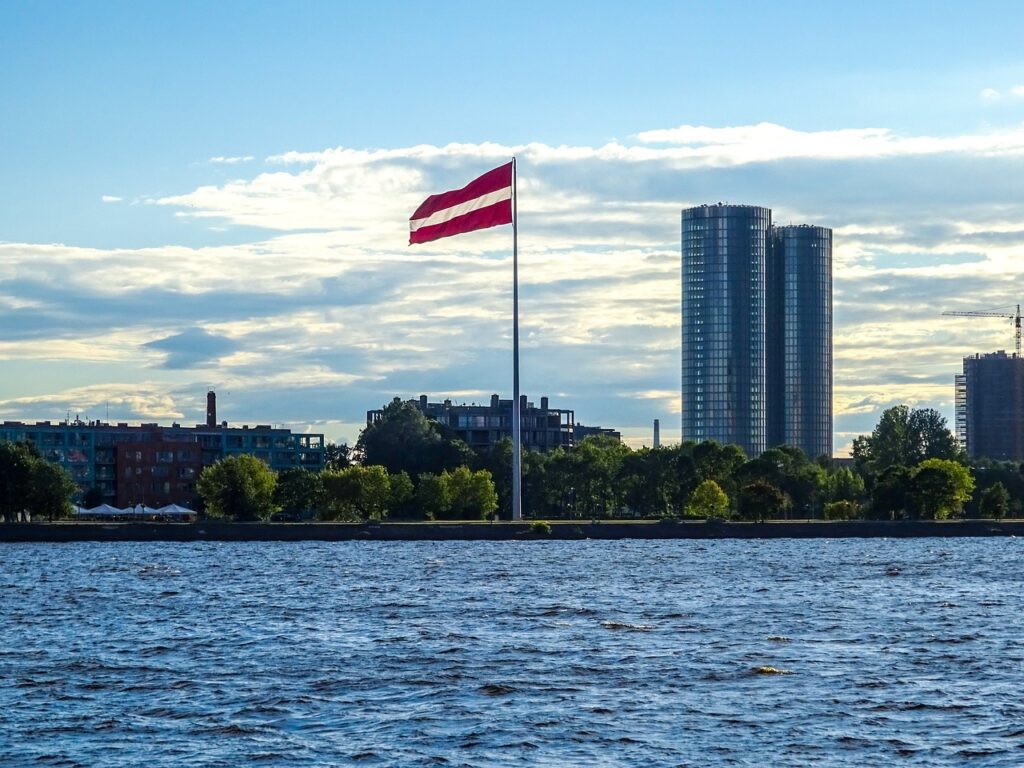
Pine trees, sandy dunes, amber reserves, and the famous Riga Balsam are what people often remember about Latvia, a small nation located in the northern part of Europe by the Baltic Sea.
A unique sense of calm and serenity pervades the area. The charming streets and cafes in Latvian towns are imbued with a delightful, homely aroma of coffee and baked goods. Shady parks draw in visitors, making them hesitant to depart. Additionally, the Latvians themselves often appear deep in contemplation.
Overview
Latvia is one of the trio of Baltic nations that was part of the former Soviet Union from the 1940s until the 1990s. Even today, it faces a challenging phase of growth following its independence. Nevertheless, considerable progress has already been made.
Historical Context
Contemporary Latvia is a self-governing republic that achieved independence on two separate occasions during the 20th century.
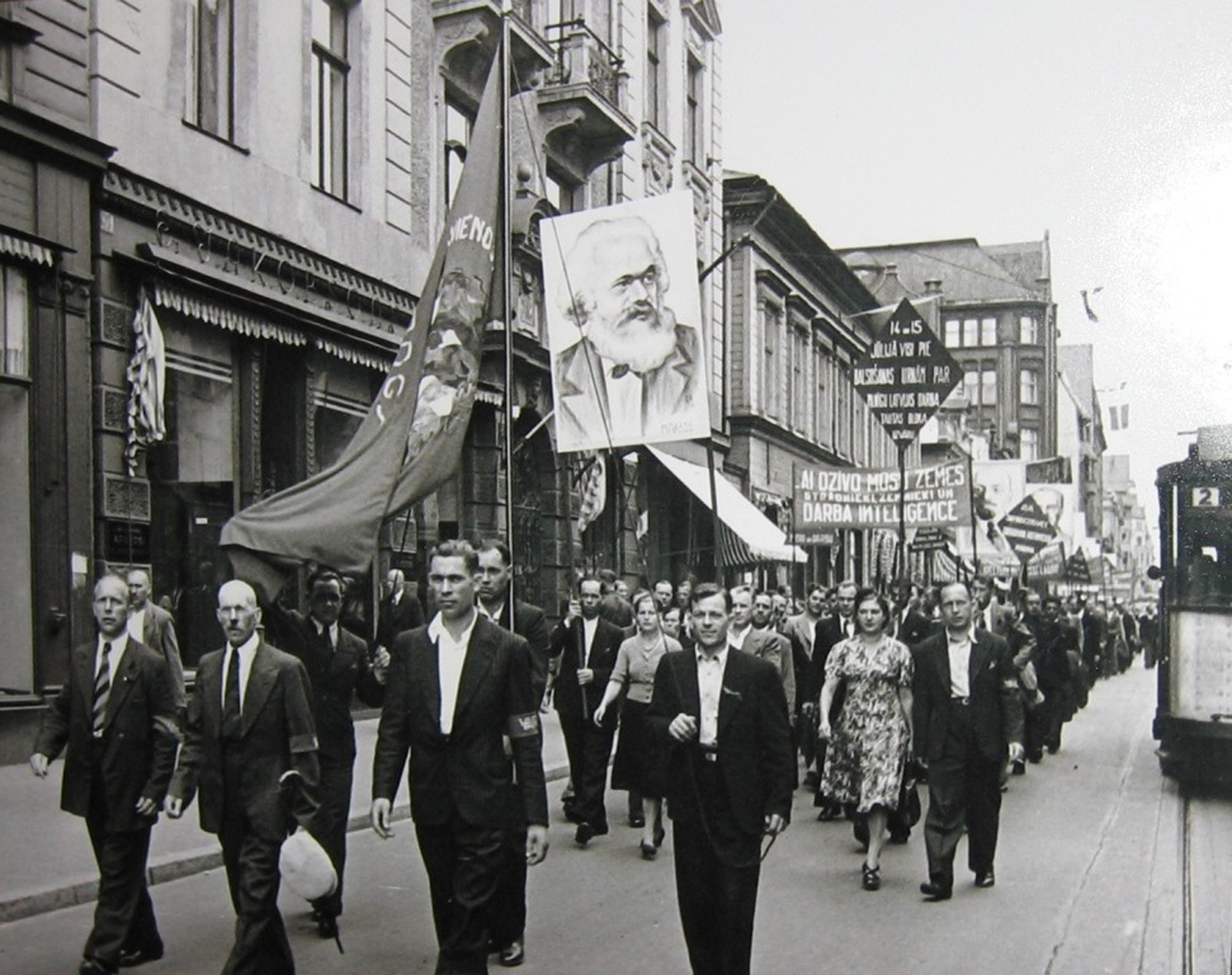
The initial declaration occurred in November 1918, when Latvia broke away from the United Baltic Duchy. The subsequent independence was declared in May 1990, when it, along with Lithuania and Estonia, withdrew from the Soviet Union.
Latvia was incorporated into the USSR in the summer of 1940. This action was viewed as an invasion by Western nations, a perspective that has significantly influenced the new ideology of Latvia and the official narrative surrounding those events.
Latvia has been welcomed into all significant international organisations, with the republic joining the UN in 1991 and becoming a member of the EU and NATO in 2004.
The economy of Latvia is primarily driven by income generated from tourism, the banking sector, food production, and logistics. However, the living standards are not yet comparable to those of Northern European nations such as Norway, Finland, the United Kingdom, and others. This situation has led to a significant demographic challenge, with local residents migrating abroad in search of improved living conditions.
Migrant workers from former Soviet states are helping to alleviate the growing labour shortage.
Geography and Climate
Although Latvia covers a relatively small area of 65,000 km², it shares its borders with four nations — Lithuania, Estonia, Belarus, and the Russian Federation.
It also has maritime boundaries with the Baltic Sea and the Gulf of Riga. Additionally, there are numerous rivers, both large and small, such as the Daugava, Gauja, Ogre, and Venta.
Latvia is home to around 3,000 lakes, a figure that can only be rivalled by Finland.
The climate in Latvia is rightly termed moderate. It seldom experiences extreme cold or heat, although temperatures can occasionally reach +30°C in June.
Typical summer temperatures range from +17°C to +20°C, while winter sees averages between -2°C and -5°C. Autumn is generally characterised by rainfall, especially in November.
Despite the moderate summer temperatures, the coastal resorts of Jūrmala, Liepāja, and Ventspils attract many visitors. The sea warms up sufficiently only in July, when water temperatures hit +21°C to +23°C, yet holidaymakers flock to the beaches much earlier.
Latvian resorts offer a fantastic choice for those who enjoy a European-style getaway, a pleasant warmth, and a serene environment.
Demographics, Language, and Currency
Latvia is a relatively small nation in terms of both land size and population. Approximately two million individuals inhabit the country, with 30% of them living in the capital, Riga.
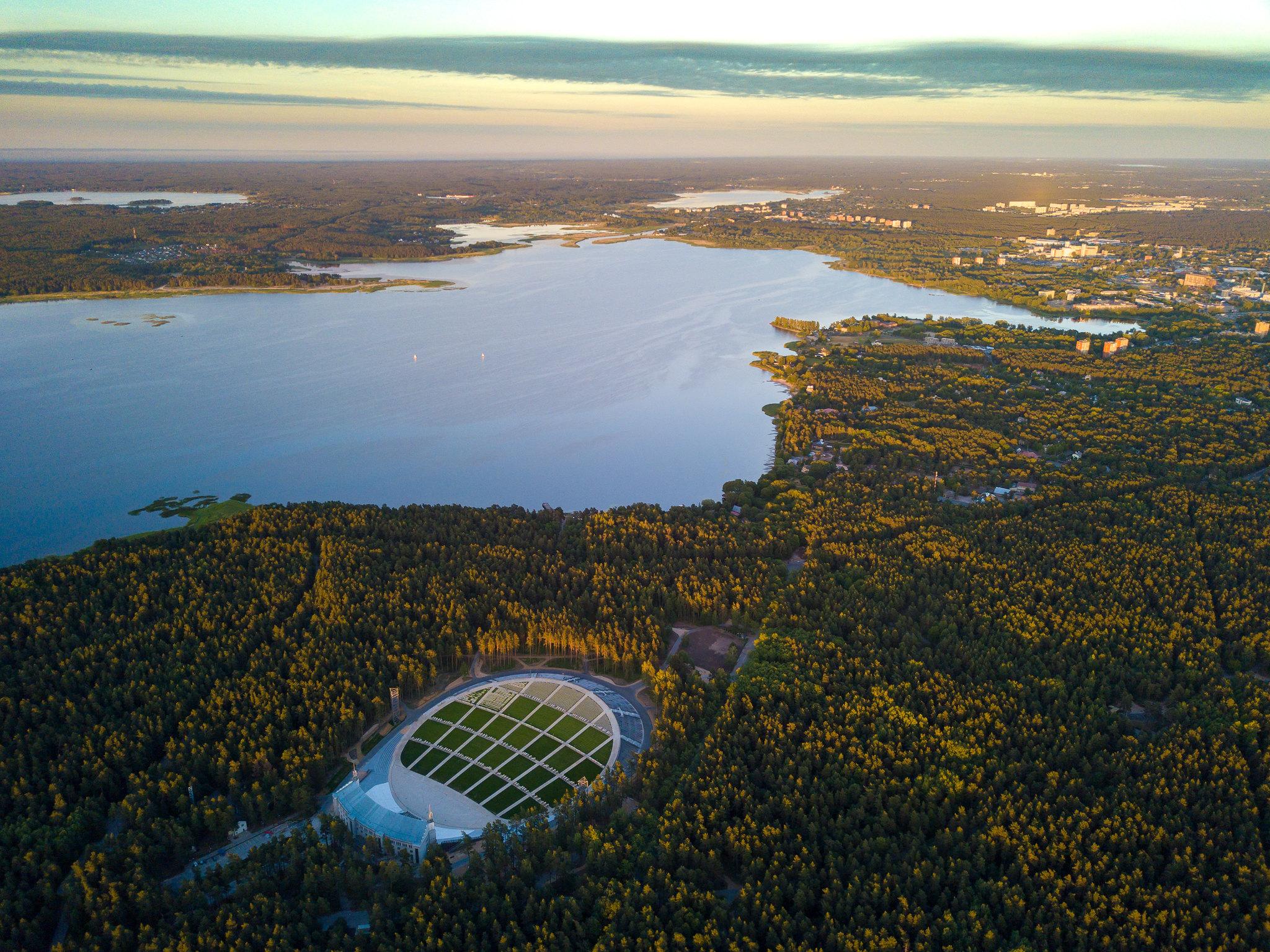
The largest urban areas include Riga (615,000 residents), Daugavpils (80,000 residents), and Liepāja (68,000 residents).
Similar to other former Soviet republics, Latvia has a distinctive group known as non-citizens. This group consists of residents who possess purple (non-citizen) passports, and their rights, particularly political ones, are somewhat limited.
Non-citizens have access to education, healthcare, and various other services; however, they are prohibited from serving in the Latvian military, working in law enforcement, public sectors, pharmaceutical firms, and participating in elections. This classification pertains to individuals residing in Latvia on July 1, 1992, who held no citizenship other than Soviet at that time. They must complete a naturalisation process that involves passing two tests — proficiency in the Latvian language and knowledge of Latvia’s history. Currently, one in ten residents of Latvia is classified as a non-citizen.
Latvian is the sole official language.
As a member of the EU, Latvia adopted the euro as its official currency in 2014, replacing the lats.
Getting There
The most convenient method to reach Latvia is by air travel. The primary aviation hub is Riga International Airport, which connects various destinations within European nations, the Canary Islands, Egypt, Israel, the Russian Federation (Moscow and St. Petersburg), Georgia, and Uzbekistan.
The airport collaborates with airlines including airBaltic, Aeroflot, Finnair, LOT, Lufthansa, Norwegian, Turkish Airlines, Uzbekistan Airlines, Wizz Air, and Ryanair.
There are no non-stop flights available from the Americas, Australia, Asia, and Africa, making transit flights a necessary option.
Some travellers might also opt for a ferry service from either Sweden or Germany.
The Latvian State Railway Company offers train services connecting to Russia and Estonia.
Bus or car journeys are also feasible, but they tend to take more time compared to flying.
Lodging Options
Hotels in Latvia, along with the leisure time spent in this nation, truly embody the essence of sophistication.
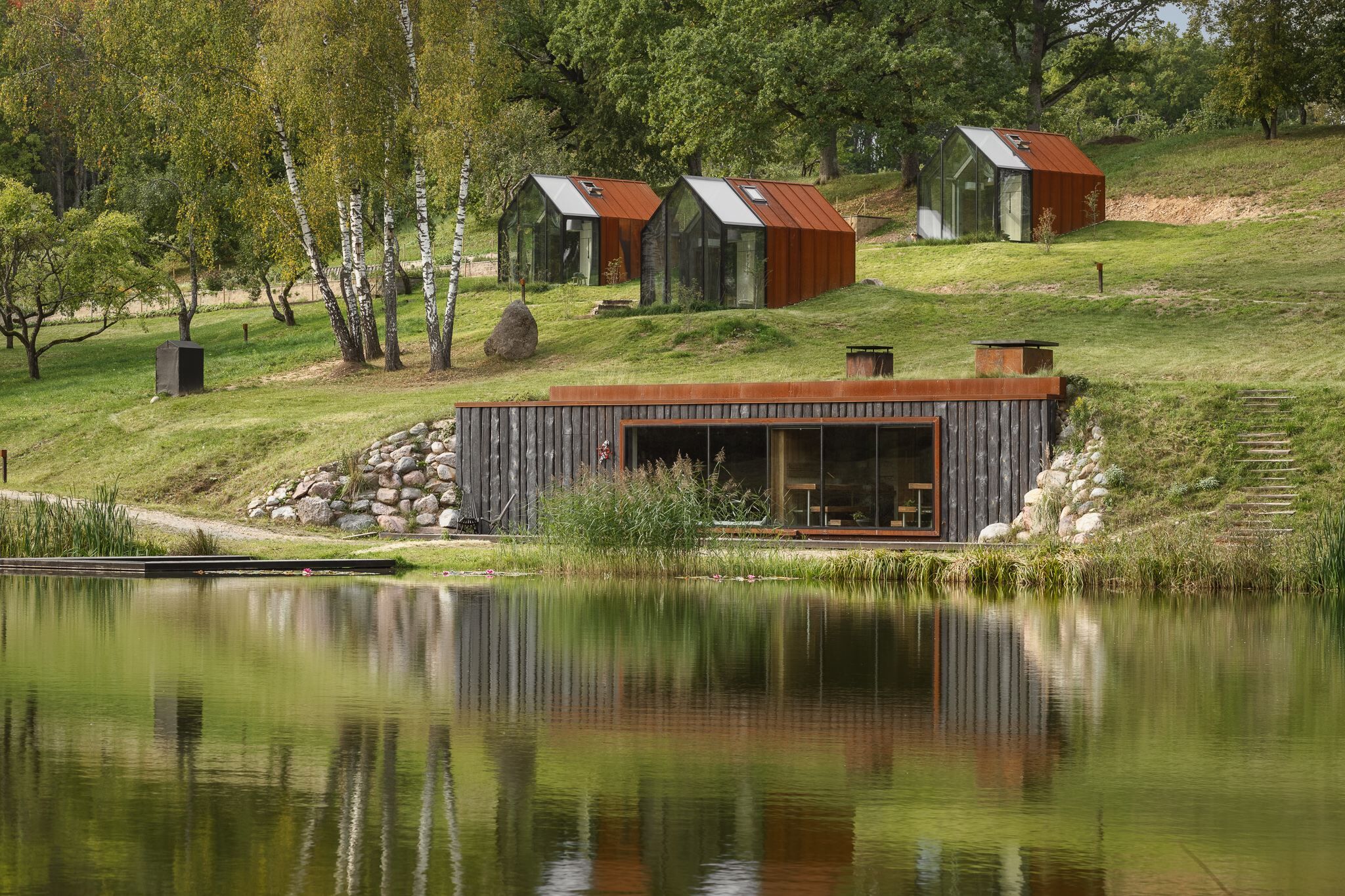
It consistently revolves around courteous and considerate staff, a serene ambiance indoors, gentle colour schemes, and superb dining options at hotel restaurants. Although some individuals might find this level of restraint somewhat dull, the vast majority of tourists visiting Latvia greatly value it.
Overall, the rates for hotel accommodations align with the European average. A budget-friendly three-star establishment may charge between €30 – €40 per night, while prices for upscale hotels commence at €100.
As is the case globally, prices fluctuate based on the hotel’s star rating and other purely promotional aspects:
- proximity to the city centre, shops, and attractions;
- the time of year in resort areas and the distance to the beach;
- the range of extra amenities such as SPAs, swimming pools, massage services, etc.
In Latvian hotels, even at a mid-range level, a so-called continental breakfast is included in the accommodation cost. This breakfast is quite varied, tasty, and substantial. Often, hotels provide self-service buffet options.
The commendable speed of the Internet deserves recognition. Latvia ranks among the top countries for high-speed internet access. In local hotels, Wi-Fi is provided at no extra cost.
Below are several hotel options with varying star ratings:
- Ok Hotel is a three-star hotel in Riga, situated 2 km from the historic city centre. The rooms are equipped with all essentials for a peaceful and comfortable stay. The rate also includes a generous buffet-style breakfast and complimentary parking. Additionally, children under four can stay with their parents at no charge.
- Hotel Jurmala Spa is a serene and esteemed seaside hotel. It is located one kilometre from the city beach and a short public transport ride from the waterpark. The hotel features a restaurant (buffet breakfast included), a SPA, and free parking. An indoor swimming pool is also available.
- Hotel Sigulda is a three-star hotel designed in a traditional Latvian house style. It offers cosy rooms with private bathrooms, balconies, and a standard set of amenities such as a hairdryer and an iron.
- Promenade Hotel Liepāja is a five-star establishment overlooking the trading channel, located a 15-minute walk from the beach. The rooms feature underfloor heating and a standard array of appliances. A luxurious restaurant serves buffet breakfasts included in the overall price.
- Hotel Viktorija is a three-star hotel in Riga, located two kilometres from the National Museum of Art, housed in a historic mansion dating back to the early 20th century. The rooms are fully equipped, and family rooms consist of two bedrooms. Parking and breakfast are available for an additional fee.
Exploring the Latvian countryside offers a unique pleasure. Visitors can immerse themselves in the traditional atmosphere of ancient towns and villages, where the hospitality sector is also well-established.
Guests at small family-run houses, mini-hotels, and guesthouses are provided with well-maintained rooms reflecting the charm of pre-war Latvia. Stylish interiors, high-quality bed linens, and a welcoming atmosphere created by attentive staff are standard. Guests can also request breakfasts, lunches, dinners, and suppers. Simple yet delicious and hearty Latvian cuisine is exactly what one would desire to indulge in.
Attractions to Explore
During the era of the Soviet Union, the Baltic nations distinguished themselves from other regions within the USSR. Latvia, Lithuania, and Estonia were often referred to as the Soviet West due to their unique architecture, a wide variety of products available in stores, and the notably courteous manner of interaction among their inhabitants. Visitors to these nations felt as though they had glimpsed a reflection of the West.
Today, the options for travel have transformed significantly. While the Baltic states may not be regarded as novel destinations, they have retained their inherent allure. They are distinctly graceful, steadfastly traditional, and possess an old-world charm in a positive sense. Nonetheless, they still evoke a sense of being a familiar overseas.
Riga
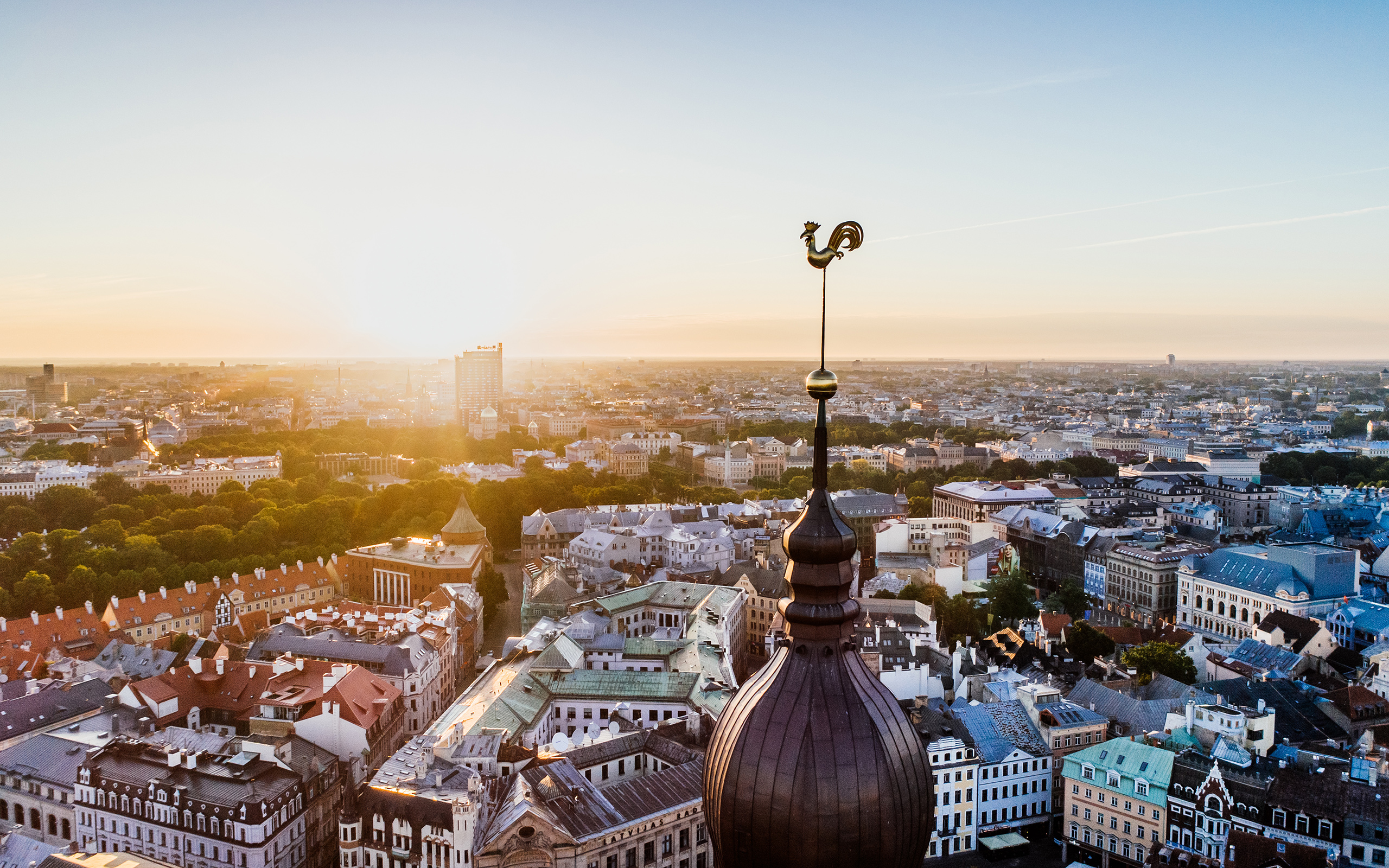
The attractions for visitors in the Latvian capital showcase its thousand-year history.
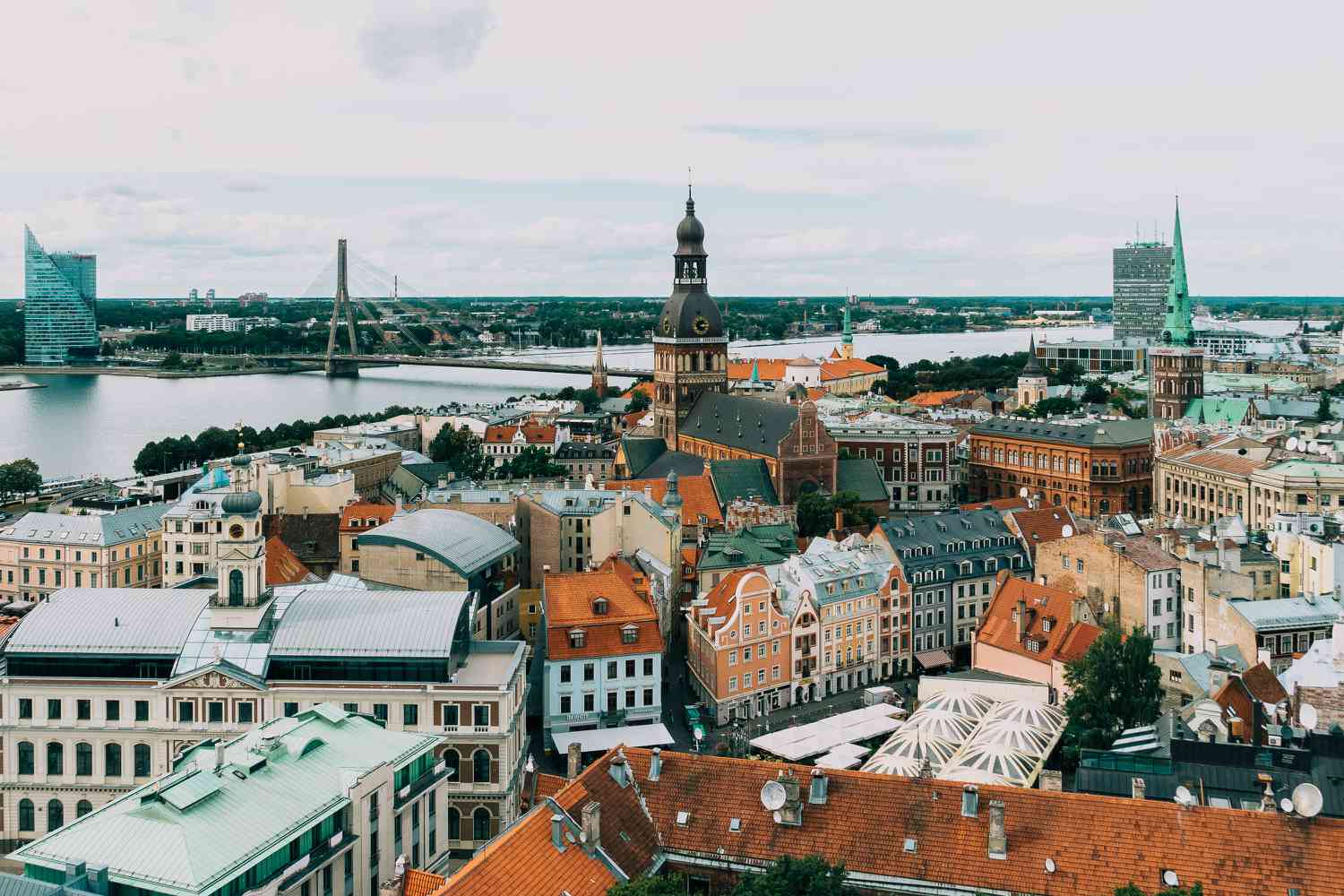
Historically, it began as a small village situated along a minor tributary of the Daugava River. The settlement’s name derives from an ancient Baltic term, which signified creek.
That river has long since dried up and faded into obscurity. Nevertheless, the charming, inviting, and vibrant city has persisted to the present day.
During the Middle Ages, Riga was a prominent and well-defended trading hub, consistently attracting those who wished to reside there for extended periods. It drew in missionaries from Christian churches, warriors from German knightly orders, and conquerors from across Europe.
They bequeathed a substantial architectural and cultural heritage that contributes to the city’s distinctive and renowned image. It is no surprise that the entire historic centre of the Latvian capital is listed as a UNESCO World Heritage site, making it a magnificent jewel of Northern Europe.
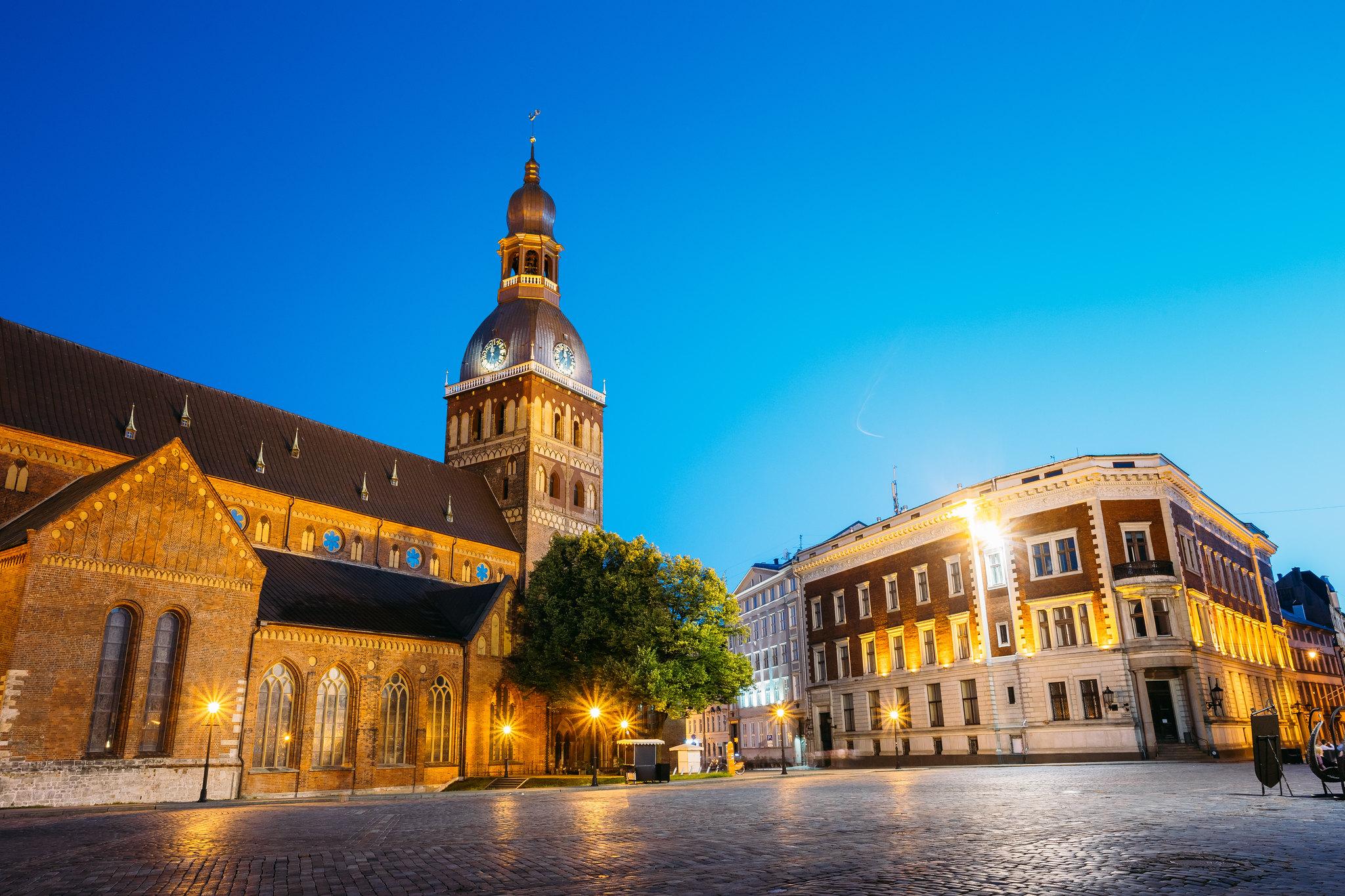
The Dom Cathedral in Riga is akin to the Eiffel Tower in Paris or Big Ben in London. The silhouette of this iconic landmark has graced postcards, stamps, and countless online images, establishing it as a significant point of interest.
Constructed in the 13th century in honour of the supreme deity, or Deo Optimo Maximo in Latin, this Lutheran Cathedral remains the largest and most important in the entire Baltic region.
Its main highlight is a renowned organ crafted by German artisans in the mid-12th century, recognised as the largest in the Baltic area. One must experience its powerful and majestic sound that can evoke a shiver in listeners.
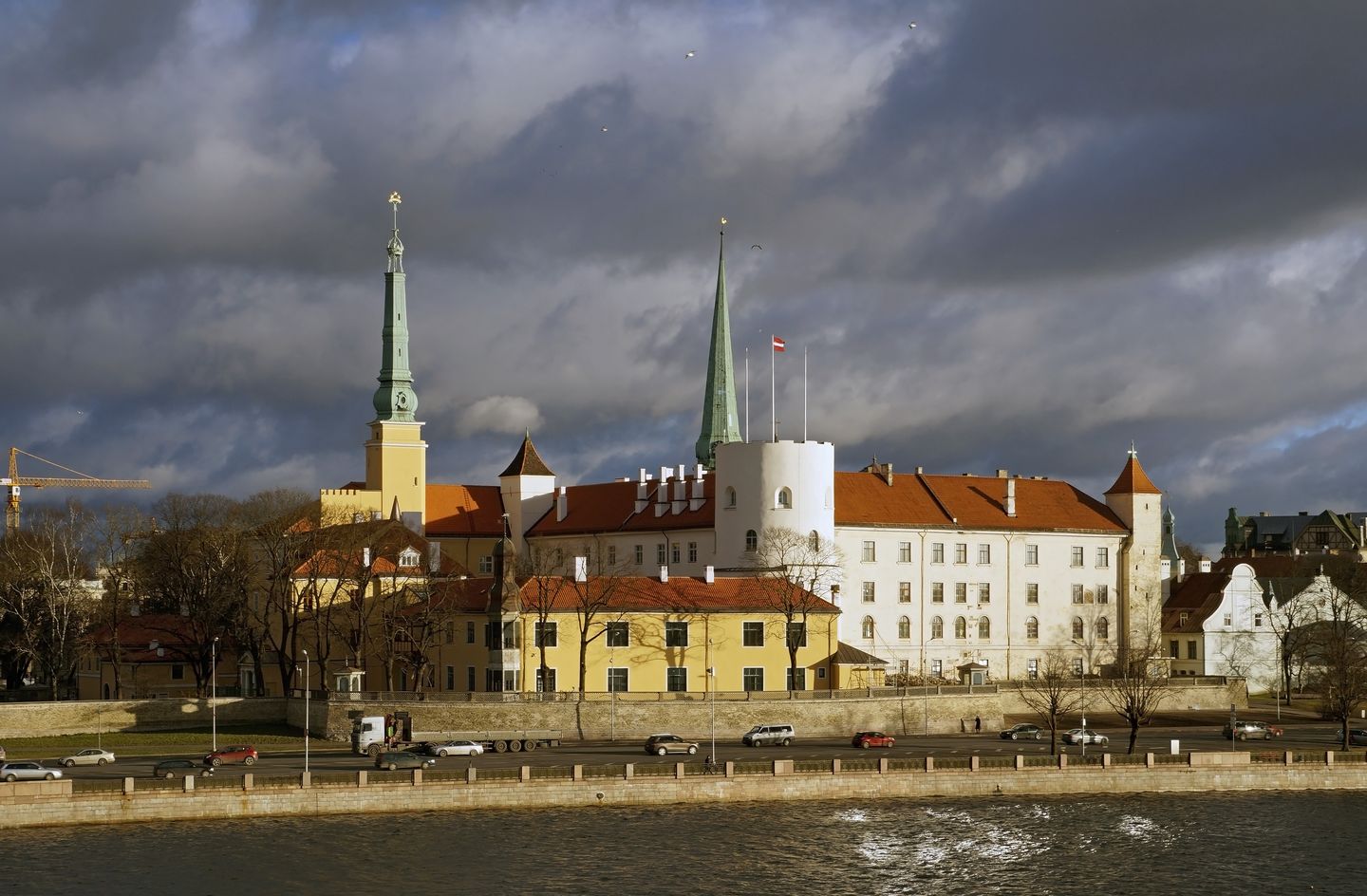
Riga Castle is a fortress located on the banks of the Daugava and currently serves as the official residence of the President of Latvia. It once functioned as a refuge for the knights of the Livonian Order. Following their defeat by Ivan the Terrible’s forces in the 16th century, the fortress fell into disrepair and neglect.
A new chapter commenced during the reigns of Swedish and Polish monarchs and Russian tsars. The fortress resumed its primary role — safeguarding the city and holding the secrets of the monarchs.
Today, Riga Castle stands as one of the most important landmarks in the Latvian capital, attracting tourists throughout the year.
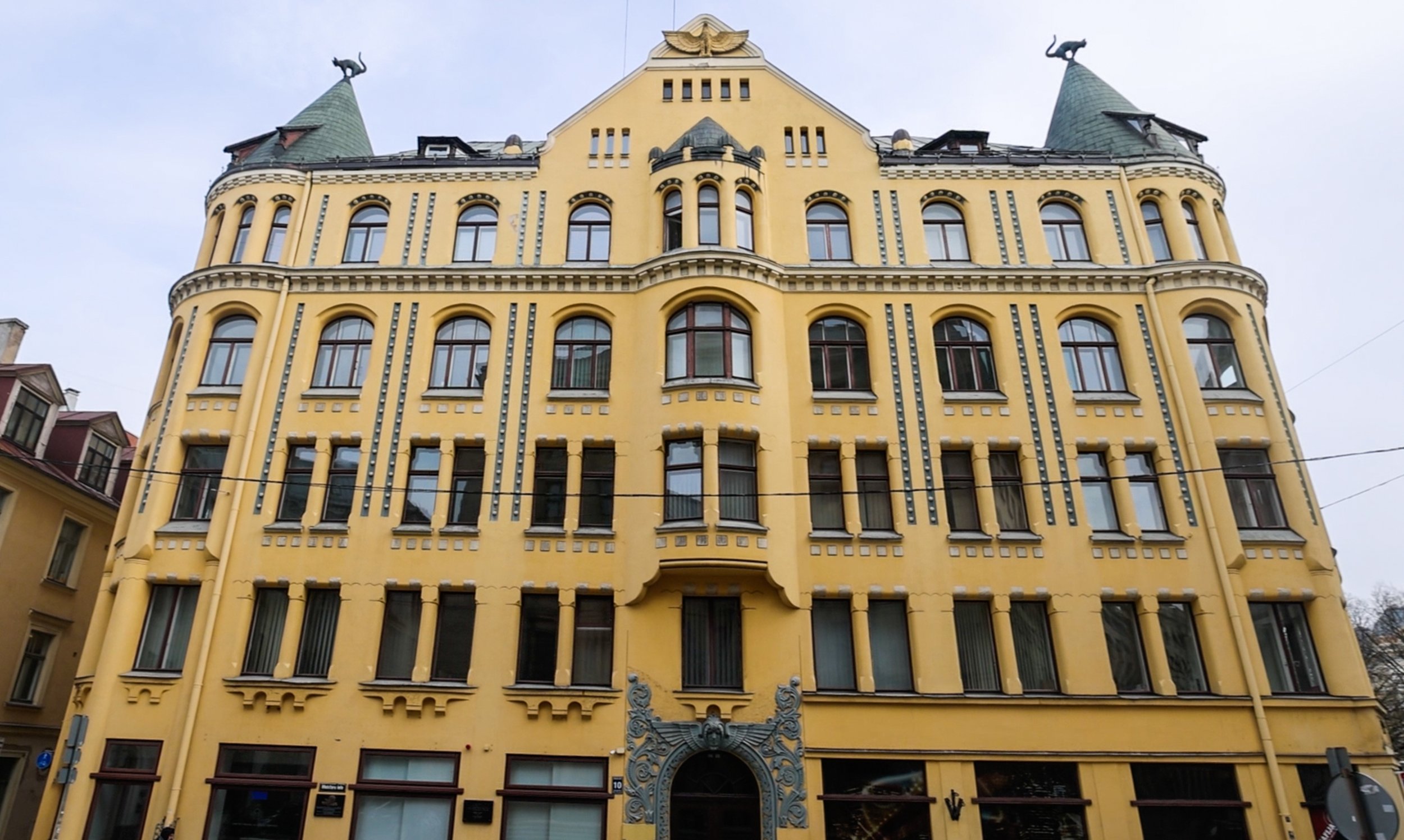
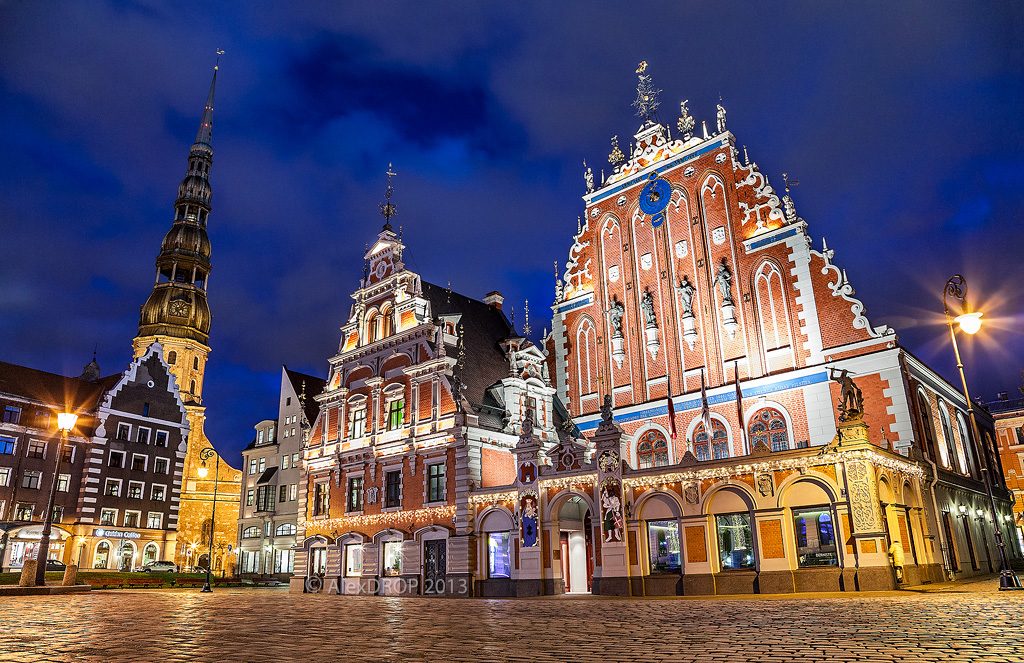
Two additional essential sites to visit in Riga are the House of the Blackheads and the Cat House.
The former is the fully restored House of the Large Merchant’s Guild, situated in City Hall Square, which underwent renovations in the 1990s. The Blackheads were the merchants of Riga during the Middle Ages, with Saint Maurice, a Christian martyr, as their patron.
The image of his black head featured on the Guild’s coat of arms, leading to the merchants being referred to as blackheads, and the building where they congregated became known as the House of Blackheads.
The Cat House is a prime example of a true architectural satire from the 20th century.
Human resentment and wounded pride can sometimes manifest in the most unexpected ways. The Cat House represents a protest by a merchant from Riga. Despite his efforts and cunning, the Guild refused to accept him as a member of the Large Guild.
The slighted merchant placed cat figures atop the spikes of his house towers, deliberately positioning them with their backs turned to the House of Blackheads.
The metal cats were arranged sitting to convey their owner’s displeasure. This was a reaction to the traders’ autonomy until the Blackheads altered their stance.
The merchant was eventually accepted as a Guild member, but he only turned one cat to face the building. The second cat remains turned away from the Blackheads, disrupting the symmetry of the merchant’s house towers.
Jūrmala
This coastal city deserves mention as it gained recognition for its European pop-music festivals.
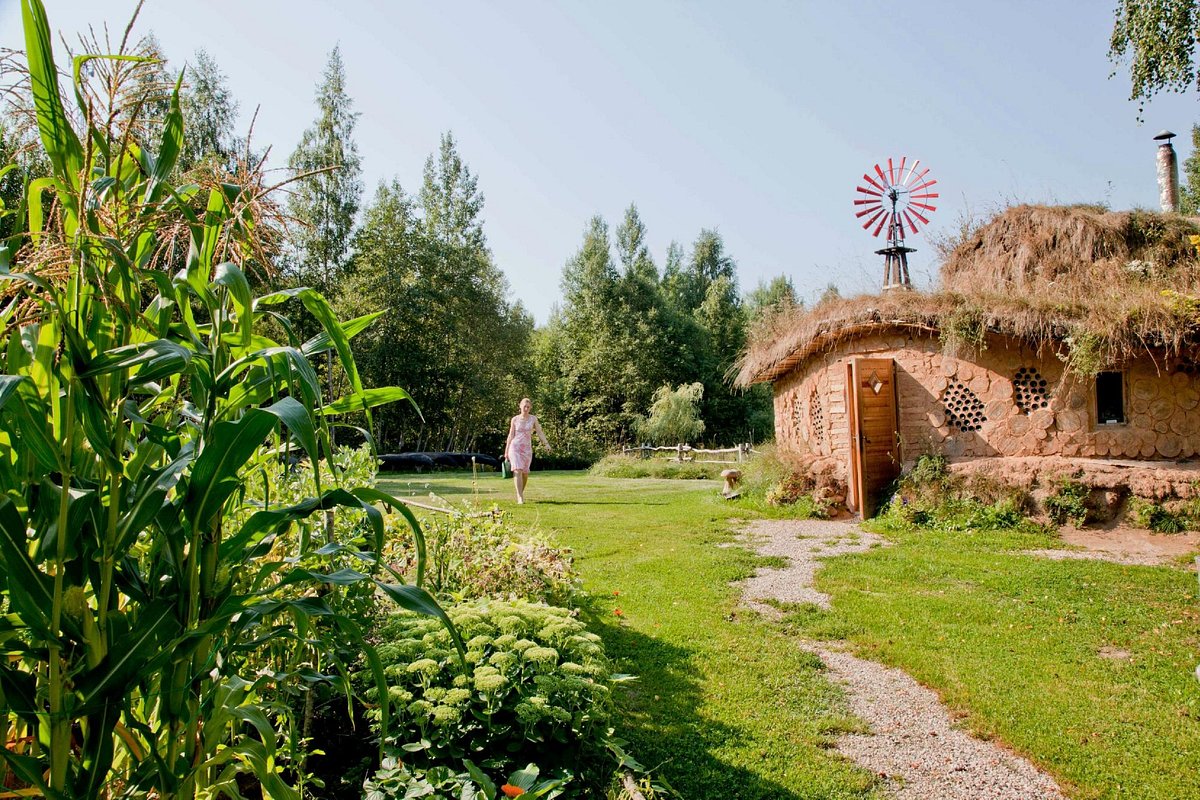
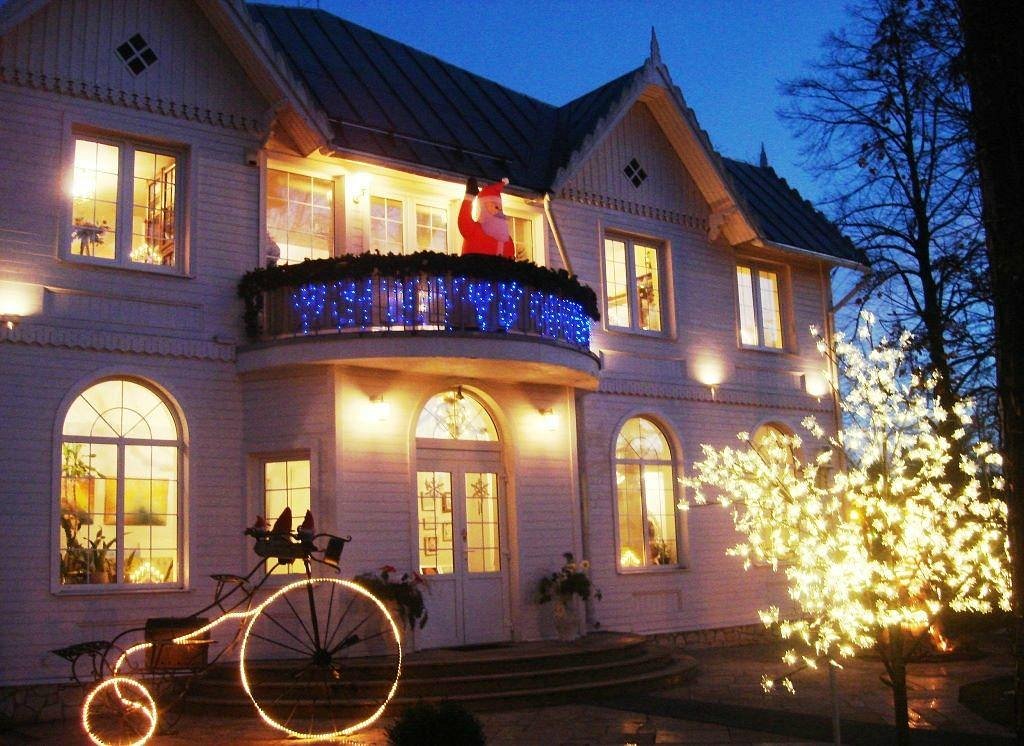
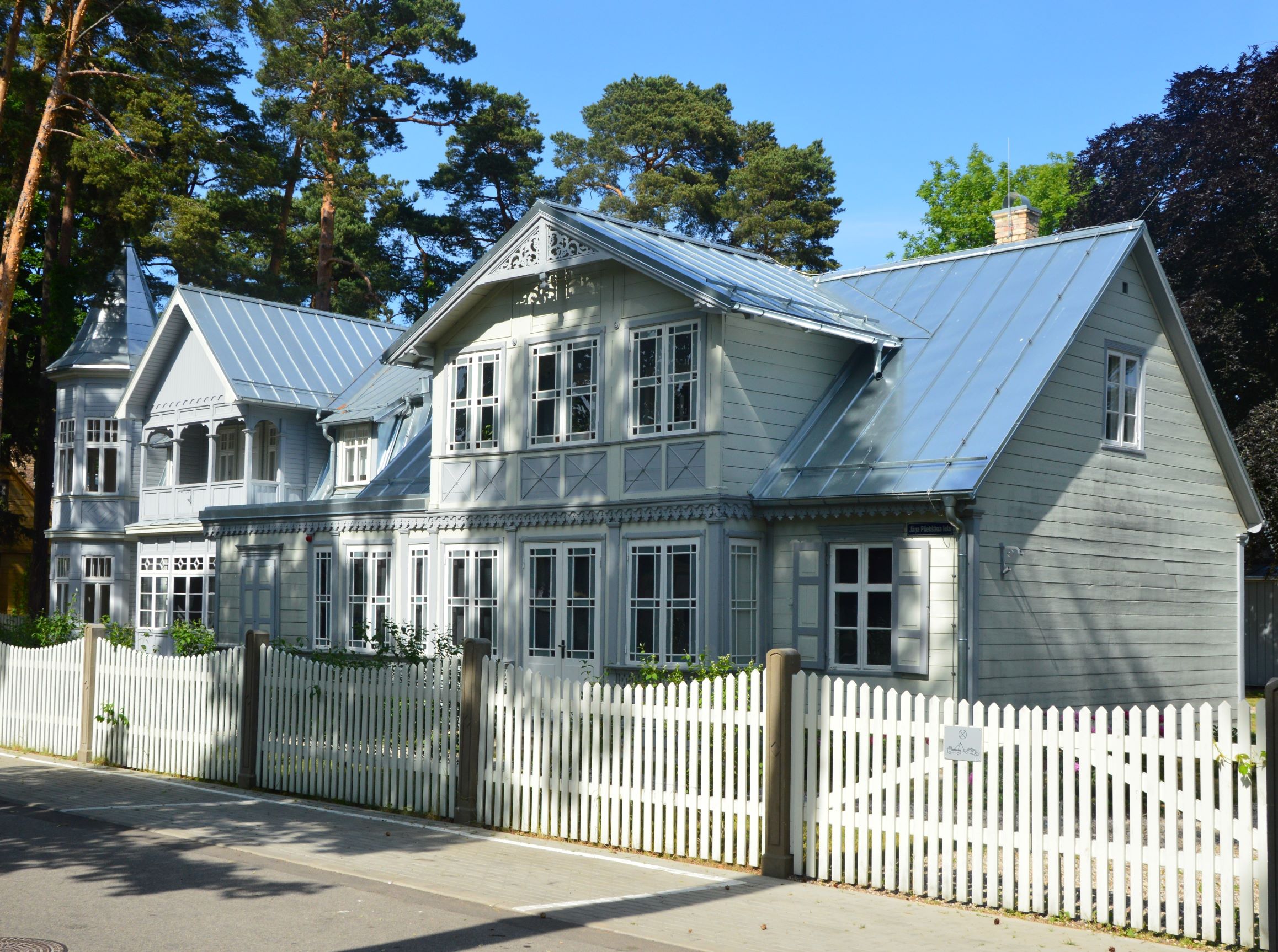
Nevertheless, this musical gathering is not the sole attraction of Jūrmala. A leisurely stroll through the streets of this historic Latvian city offers immense enjoyment. The façades of the local buildings are adorned with intricate lace-like designs of beautifully carved window trims, balconies, mansards, and doorways.
Jūrmala is also a destination that draws in enthusiasts of Latvian poetry. They come to visit the museum home of Rainis and Aspazija, a couple of poets, Emilija Rozenberga and Jānis Pliekšāns. He is known as the pioneer of the tragedy genre in Latvian literature.
The Museum of Prison History also generates significant interest, inviting visitors to explore the unique realm of the penal system through its exhibits and the overall atmosphere.
Visitors to Jūrmala will leave with lasting impressions after experiencing the exhibition by artist Vitaliy Yermolayev at the ART Residence INNER LIGHT. Innovative lighting and various visual effects produce stunningly beautiful images.
Accessing Jūrmala is possible exclusively by ferry from Riga.
In Latvia, numerous other locations apart from Jūrmala captivate with their subtle and serene charm.
Kuldīga is one such place. This peaceful town, situated 150 km from Riga, is renowned for its flying fish (which may seem unbelievable), cave labyrinth, and Europe’s largest waterfall, Ventas Rumba.
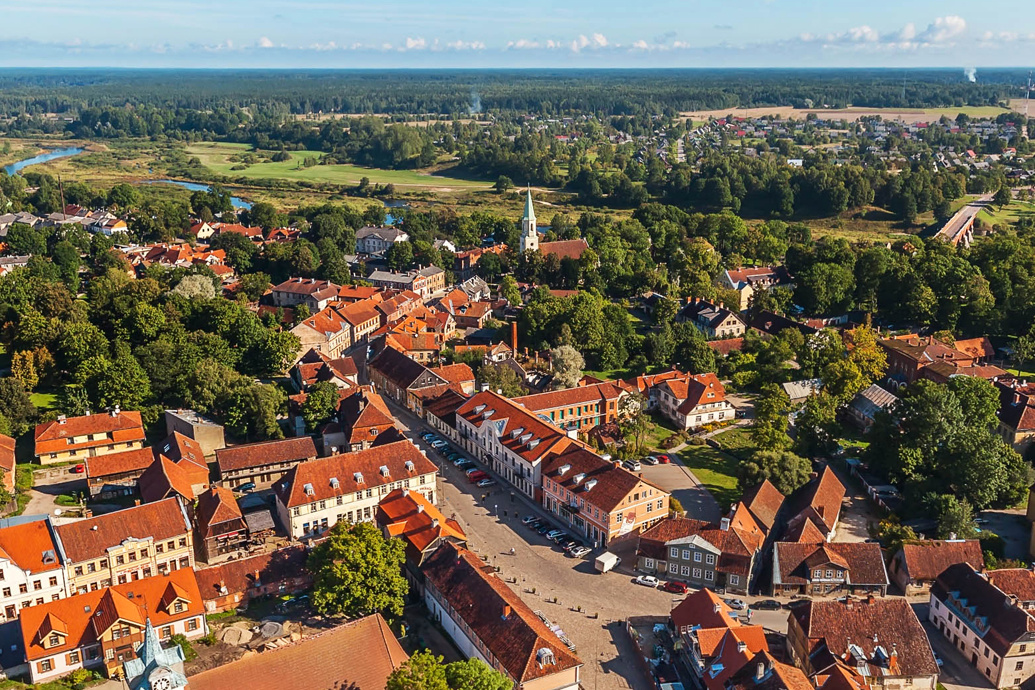
Sigulda is another hidden gem in Latvia. A short 50-km drive from the capital leads you to a picturesque environment reminiscent of ancient times.
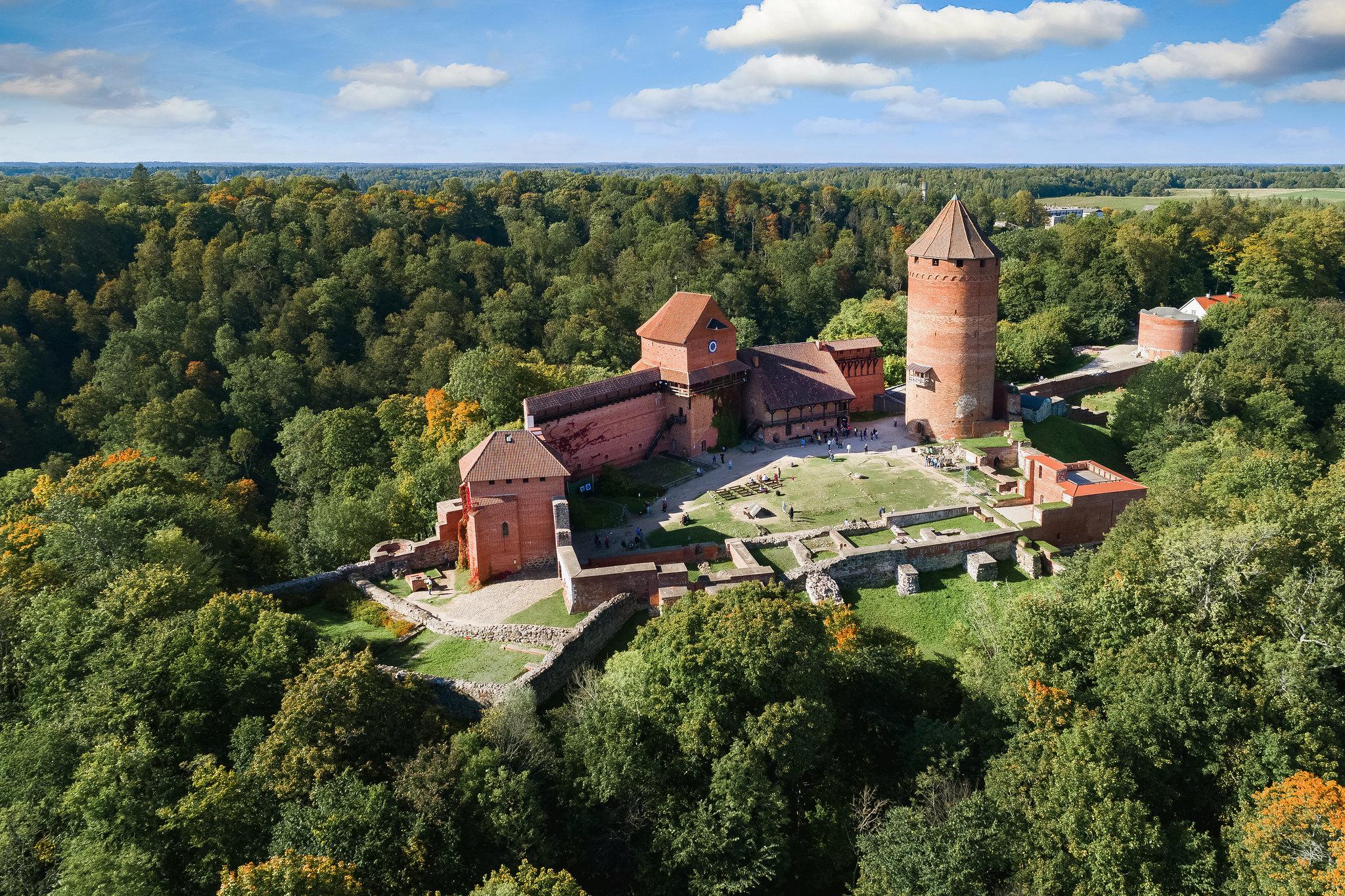
Consider visiting Turaida Castle, an architectural landmark that dates back to the 13th century. If you are fortunate enough to be there on a holiday, seize the opportunity to enjoy a concert featuring classical or sacred music.
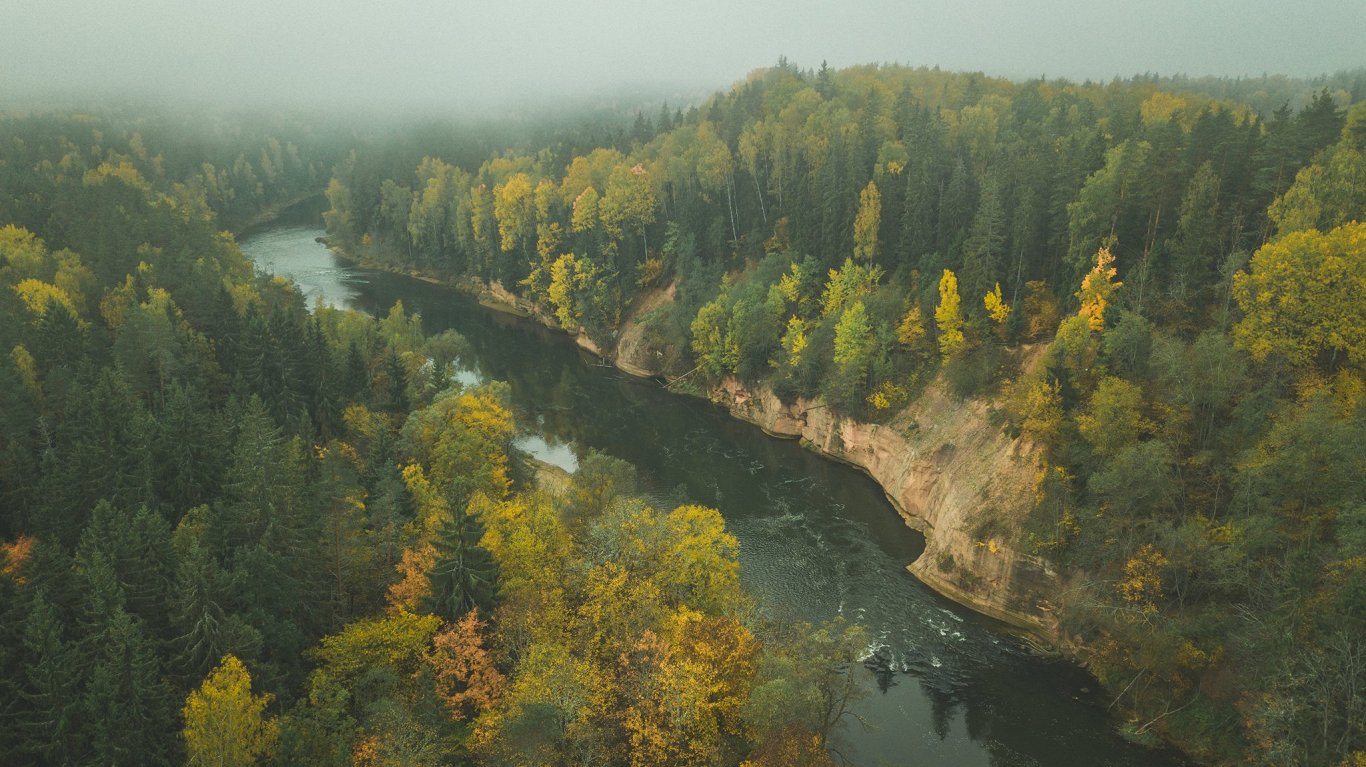
Gauja National Park boasts kilometres of massifs, rocks, caves, and springs, all surrounded by historic castles and settlements, which have been expertly restored by Latvian craftsmen.
Vienkoču Park, offering a variety of arts and crafts workshops, along with the Krimulda Cable Car, which provides breathtaking views of natural reserves, makes for an excellent choice for family outings.
Cuisine
Are you fond of consuming pearl barley like the Latvians? These common grey grains are a crucial component in numerous dishes of Latvian gastronomy, including fish porridges, soups, stews, and baked puddings.
Dishes made from peas (specifically the local grey variety), beans, pastries, fermented dairy products, cheeses, and a wide selection of Baltic fish such as herring and sprat have gained considerable popularity.
Latvians consume various types of meat, with pork being the most preferred.
Overall, Latvian cuisine focuses on high-quality ingredients, exceptional flavours in prepared dishes, their nutritional value, and undeniable health benefits.
The range of dishes extends from hearty, thick cottage soups to sophisticated desserts crafted from ancient recipes found in Riga’s confectioneries.
If you are considering a trip to Latvia, make sure to sample the national dishes. Below are some of the most popular and delectable options:
- Gray peas — a particular type of peas cooked in water and accompanied by fried onions and lard;
- Blood sausage and pancakes (Putraimdesas);
- Carnikava lamprey (Carnikavas nēģi) — a refined fish dish that captivated Empress Catherine the Great;
- Sklandrausis — a vegetable pie;
- Delicious kissels — made from oats and peas, as well as those prepared with rhubarb and milk.
Another delightful dessert to try is bubert, a soft semolina pudding topped with cream and whipped egg whites, typically served with a tangy fruit sauce or kissel.
Latvia showcases diversity. It embodies simplicity in a rustic sense while also being elegant and understated in an urban context. There is no better starting point for exploring Northern Europe.
FAQ
What is the size of Latvia’s territory?
Latvia spans an area of approximately 64,589 square kilometres.
What type of government does Latvia have?
Latvia operates as a parliamentary republic.
Which city serves as the capital of Latvia?
Riga is the capital city of Latvia.
What is the current population of Latvia?
Latvia has an estimated population of around 1.9 million individuals.
What currency is used officially in Latvia?
The Euro (EUR) is the official currency in Latvia.
What is the predominant religion in Latvia?
Christianity is the principal religion in Latvia, with Lutheranism being the largest denomination, followed by Roman Catholicism and Eastern Orthodoxy.
How is Latvia’s economy performing?
Latvia possesses a developing economy that has been evolving since the conclusion of the Soviet period. While it has achieved considerable advancements, it still encounters issues such as income disparity and emigration.
Is Latvia part of the European Union?
Indeed, Latvia is a member of the European Union.
Is Latvia included in the Schengen Area?
Yes, Latvia is a member of the Schengen Area.
What is Latvia particularly famous for?
Latvia is renowned for its rich cultural heritage, stunning landscapes, historic architecture, particularly in the Art Nouveau district of Riga, and its traditions in folk music and singing.
Is Latvia an affordable country?
In comparison to Western Europe, Latvia is relatively low-cost, though it may be pricier than some Eastern European nations.
Is Latvia a good destination for tourists?
Latvia is a popular tourist destination, offering historical landmarks, natural beauty, and lively cultural experiences, especially in Riga.
What are the requirements for travelling to Latvia?
Visitors to Latvia generally need a passport that is valid for at least six months. EU citizens can enter using an ID card. Many travellers from various countries will need a Schengen visa for extended stays. It is also recommended to verify any specific health or travel warnings.

